As urban living spaces shrink and consumers demand higher quality of life, whole-house customization is moving from a niche choice to the mainstream.
At the same time, ready-made furniture still holds a significant market share due to its price and convenience.
For ordinary users, the choice between whole-house customization and ready-made furniture is not only a matter of budget but also a lifestyle decision.
This article analyzes real-life usage scenarios, cost structures, space efficiency, and more to help you make an informed decision.
What is Whole-House Customization?
The Concept of Whole-House Customization
Whole-house customization is a method of designing and producing cabinetry, storage systems, and space layouts based on the layout of the home and user needs.
Core Advantages:
Highly tailored to the dimensions of your home
Maximizes space utilization
Harmonized style throughout
Systematic storage solutions

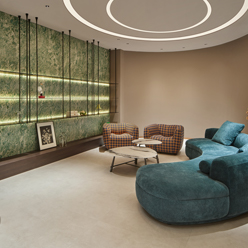
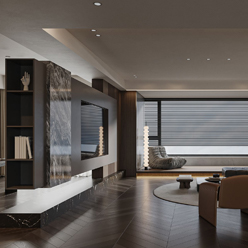
Whole-House Customization Renderings
What is Ready-Made Furniture?
Core Definition:
Ready-made furniture consists of standardized products that users can purchase and combine according to their needs.
Core Features:
Ready to use immediately
Lower price
Easy to replace or move
Style depends on user’s combination skills
Key Comparison: Whole-House Customization vs. Ready-Made Furniture
Dimension | Whole-House Customization | Ready-Made Furniture |
Design Logic | Plan space first, then products | Start with products, then combine |
Size Fit | Fully matched | Partially matched |
Style Uniformity | Strong | Weak |
Lifespan | Long | Medium |
Delivery Time | About 3–8 weeks | Immediate |
Key Difference: One is about “overall planning,” the other is “assembling pieces.”
Real-Life Scenarios: Which Fits Your Household?
Case 1: 80㎡ Small Apartment
Small apartments often struggle with storage.
Whole-house customization: Cabinets reach the ceiling, corner spaces are utilized, hidden storage added.
Ready-made furniture: Wasted top space, corners hard to use.
Conclusion: Whole-house customization is better for small spaces.
Case 2: Short-Term Stay / Rental
Ready-made furniture: Easy to move and dismantle.
Whole-house customization: High investment, less flexible.
Conclusion: Ready-made furniture is more suitable.
Cost Analysis: Is Whole-House Customization Really More Expensive?
Looking at long-term costs, not just the upfront price:
Whole-House Customization Cost Structure
Cost Item | Description |
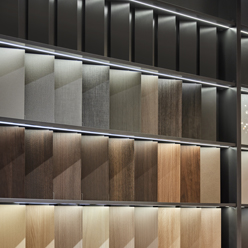
Materials | Cabinet boards |
Hardware | Hinges, slides |
Design Fee | Space planning |
Production | Factory processing |
Installation | On-site installation |
Ready-Made Furniture Costs
Multiple purchases accumulate
Style mismatch may require replacement
Space waste adds extra storage needs
Key Conclusion:
Short-term: Ready-made furniture is cheaper
Long-term (5+ years): Whole-house customization is more cost-effective
Space Utilization: The Core Difference
Whole-House Customization:
Ceiling-to-floor design
Corner space utilization
Wall-integrated storage systems
Ready-Made Furniture:
Wasted top space
Hard to fit irregular areas
Lower utilization rate
Design Experience: Which is Easier?
Whole-House Customization:
Unified planning by designers
Less decision-making stress
Consistent style
Ready-Made Furniture:
DIY combination required
Style can be inconsistent
Higher trial-and-error cost
Delivery Time & Efficiency
Whole-House Customization:
Process: Design → Production → Installation
Industry average: about 3–8 weeks
Some brands like Landbond Corten significantly reduce lead times with advanced production; from design to delivery can take only 15 days.
Ready-Made Furniture:
Ready to use immediately
Best for urgent move-ins
Decision Model: How to Choose Whole-House Customization?
Condition | Recommendation |
Living 5+ years | Whole-house customization |
Small apartment | Whole-house customization |
Strong storage needs | Whole-house customization |
Limited budget | Ready-made furniture |
Temporary residence | Ready-made furniture |
Tip: If you meet two or more customization conditions, prioritize whole-house customization.
Founded in 2004, Landbond Corten is a Sino-foreign joint venture with a Foshan manufacturing base and over 300 stores nationwide. Core advantages include:
15-day fast delivery
Specialized, high-quality certification
Eco-friendly products
Professional design + installation team
They offer customized solutions for both small apartments and large flats.
Floor plan analysis – upload your layout for 1-on-1 designer guidance
Personalized design + quote – based on budget and style
Visit Foshan factory or local showroom – see quality firsthand

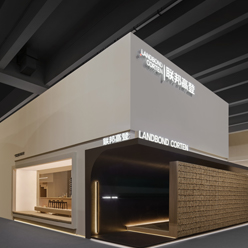
Photos of the Physical Store
Industry Trend: Why Whole-House Customization is Becoming Mainstream
Increasing proportion of small apartments
Popularity of turnkey homes
Rising user aesthetic standards
Growing demand for personalization
Core Shift: From buying furniture → creating overall space
Newbie Pitfall Guide
Common Issues:
Unclear quotes
Extra hardware fees
Material quality unclear
Impractical designs
Practical Advice:
Request detailed quotes
Clarify material standards
Check real cases, not just renderings
Prioritize companies with professional installation and after-sales service, like Landbond Corten.
Summary
Want long-term comfort → choose whole-house customization
Want flexibility and savings → choose ready-made furniture
The real deciding factor is your lifestyle, not just the price.
FAQ
Q1: Is whole-house customization always more expensive?
Not necessarily; depends on materials and plan, but upfront costs are usually higher.
Q2: Can I mix both types?
Yes, a common approach is custom cabinetry + ready-made soft furnishings.
Q3: Must small apartments always go for customization?
Not mandatory, but recommended for better space utilization.
Q4: How long until move-in?
After installation, ventilate for a while before moving in.